
Outdoor Spaces Built for Seasonal Use
Custom Deck Building & Deck Replacement in Jefferson for backyards needing entertainment areas that withstand freeze-thaw cycles
Decks in southeastern Wisconsin face repeated freeze-thaw cycles that crack untreated wood, pop fasteners, and warp boards when moisture trapped in grain expands during subzero nights. Custom deck construction involves selecting materials that resist seasonal movement, spacing boards for drainage and airflow, and anchoring structural framing to concrete footings below frost depth. KC & Sons Construction builds new decks and replaces failing structures for homeowners in Jefferson who need backyard spaces for summer grilling and outdoor seating without annual maintenance cycles that sand, stain, and reseal deteriorating wood surfaces.
Wood decking offers traditional appearance but requires sealing every two to three years to prevent moisture absorption, while composite materials combine wood fibers with polymer binders that resist rot and fading without regular refinishing. The builder frames the structure with pressure-treated lumber anchored to footings poured below the forty-inch frost line common in Wisconsin, then attaches decking boards with hidden fasteners or face screws depending on material type. Railings, stairs, and safety features meet residential building codes for height, spacing, and load capacity.
Arrange an on-site consultation to discuss material options and review your backyard layout for custom deck sizing.
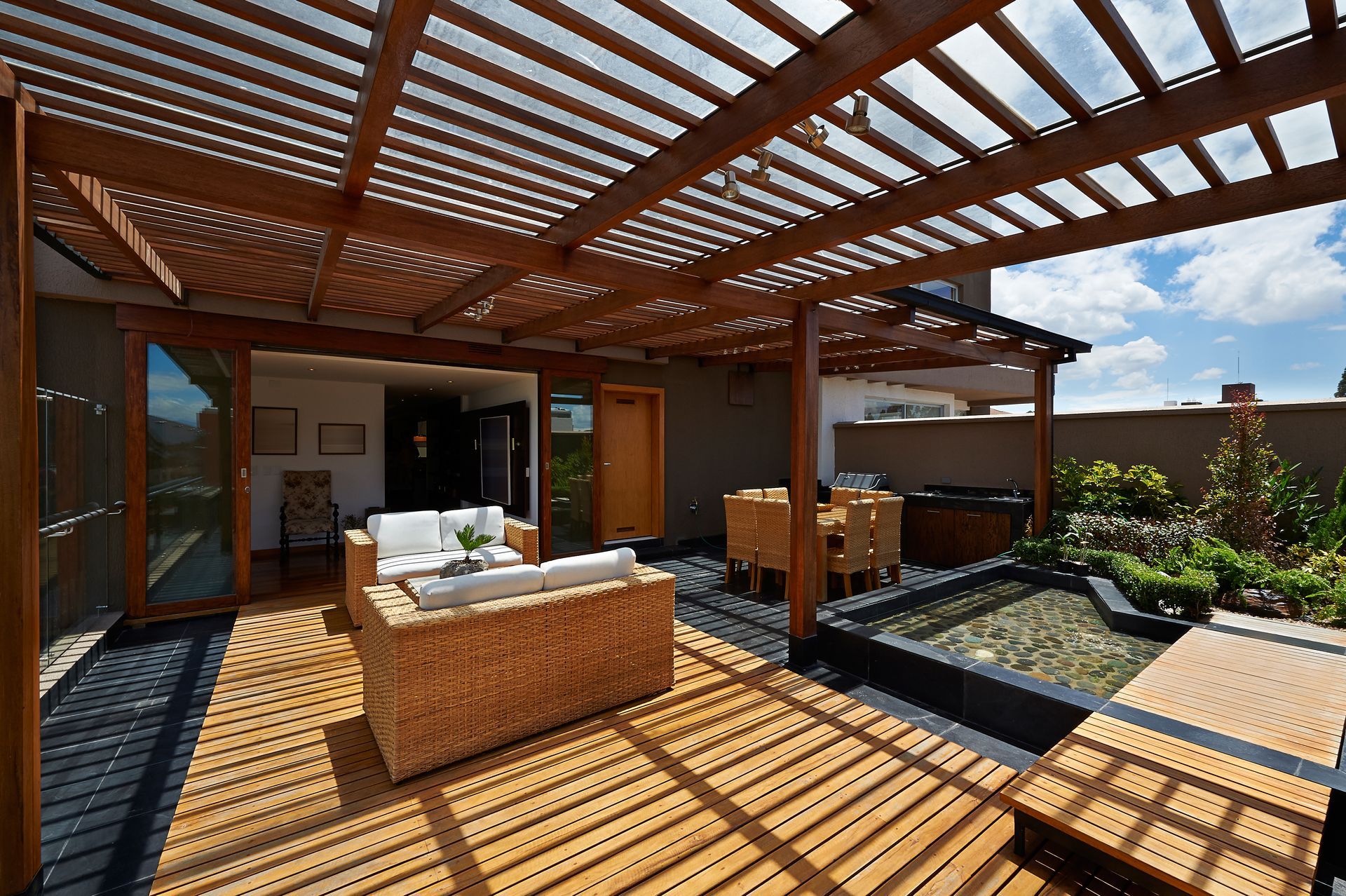
How Deck Construction Addresses Seasonal Movement
Proper deck framing accounts for wood expansion and contraction by spacing joists at sixteen-inch intervals for adequate support while allowing boards to move slightly with humidity changes. Composite decking requires specific gap spacing between boards that varies with temperature at installation—tighter gaps in summer heat when material expands, wider gaps in winter cold when it contracts. Fasteners must penetrate framing members at precise depths to hold boards securely without restricting seasonal movement that causes buckling or splitting.
Once construction finishes, your backyard includes a level surface for furniture and grilling equipment that drains rainwater through board gaps instead of pooling where standing moisture rots wood or stains composite surfaces. Railings provide secure gripping surfaces at code-required heights, and stairs descend with consistent tread depth for safe footing when carrying food or supplies. Wood decks show natural grain patterns that weather to silver-gray without sealing, while composite materials maintain original color for years without fading under direct sunlight.
Deck replacement work removes deteriorated framing and boards down to existing footings if concrete remains sound, or pours new footings when frost heave has shifted original anchors. The project rebuilds structural support and replaces all visible surfaces while upgrading to current code requirements for railing height and stair dimensions that may have changed since original construction.
Answers to Frequent Deck Questions
Property owners typically want to understand material performance differences, structural lifespan expectations, and how Wisconsin climate affects decking choices.
What is the difference between wood and composite decking?
Wood decking uses natural lumber that requires periodic sealing to prevent moisture damage and rot, while composite decking combines wood fibers with plastic polymers that resist moisture without regular maintenance. Wood costs less initially but requires ongoing refinishing, whereas composite costs more upfront but eliminates sealing and staining over its lifespan.
How deep do deck footings need to go in Jefferson?
Concrete footings must extend below the frost line, typically forty inches deep in southeastern Wisconsin, to prevent frost heave from shifting the deck structure during winter freezing cycles. Footings poured above frost depth will move as frozen ground expands and contracts with temperature changes.
When should I replace an existing deck rather than repair it?
Replacement makes sense when joists show rot or structural damage, when multiple boards have cracked or warped beyond spot repairs, or when the deck no longer meets current building codes for railing height and spacing. Surface-level repairs work when framing remains solid and only decking boards need attention.
How long does a properly built deck last?
Pressure-treated framing typically lasts twenty to thirty years before moisture damage requires replacement, while composite decking surfaces can last twenty-five years or longer without significant deterioration. Wood decking boards last ten to fifteen years with regular sealing, or less when maintenance schedules slip.
What safety features are required for residential decks?
Building codes require railings on any deck elevated more than thirty inches above grade, with balusters spaced to prevent a four-inch sphere from passing through. Stairs need handrails when exceeding three risers, and all horizontal surfaces must support specific live loads for occupancy and furniture.
KC & Sons Construction provides material samples and structural drawings during the planning process. Schedule a consultation to review your backyard space and discuss custom deck designs suited to your property layout.