
Exterior Walls That Shed Water and Weather
Siding Installation & Replacement in Jefferson for homes with cracked fiber cement panels, warped vinyl sections, and storm-damaged exterior surfaces that no longer protect wall assemblies
Southeastern Wisconsin's temperature swings and wind-driven rain test siding systems constantly, causing vinyl to crack in cold snaps and fiber cement to split where moisture penetrates fastener holes. Siding replacement by KC & Sons Construction addresses visible damage and the hidden problems that develop when exterior cladding fails—water intrusion into wall cavities, insulation degradation, and sheathing rot that compromises structural framing. Full exterior renovations make sense when multiple wall sections show failure or when energy costs indicate that the building envelope no longer controls air and moisture movement effectively.
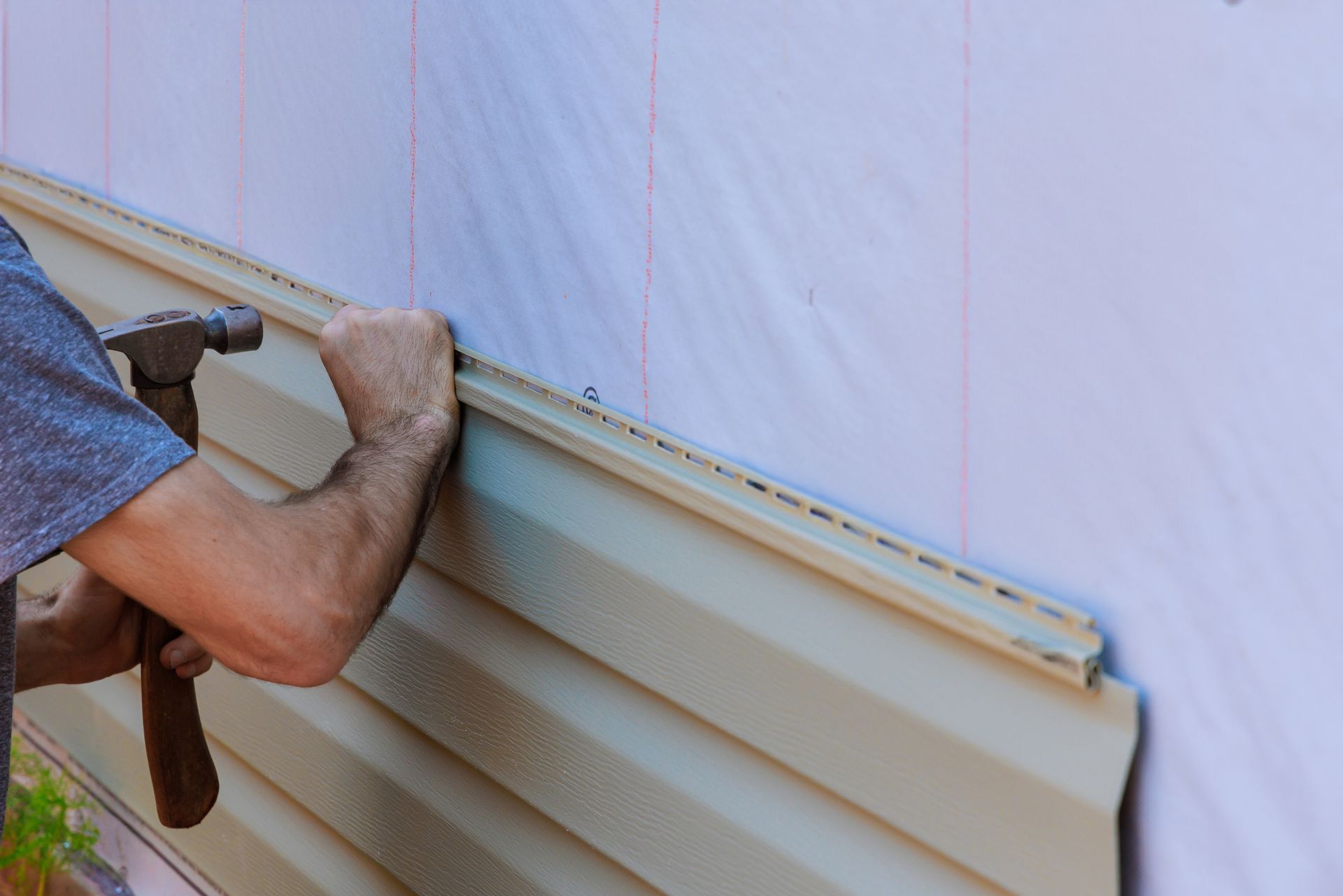
The installation process removes damaged siding and examines the wall sheathing and moisture barrier underneath, replacing any sections where water has caused deterioration. Vinyl siding installs with fasteners that allow for thermal expansion—panels expand and contract significantly with temperature changes, so nails driven too tight will cause buckling during summer heat. Fiber cement and composite options provide better impact resistance and hold paint longer than vinyl, though they require different cutting tools and fastening techniques during installation.
Request a property assessment to identify failing sections and discuss material options based on your home's exposure and maintenance preferences.
What Changes After New Siding Installation
Proper siding creates a drainage plane that directs water down the wall face and away from windows, doors, and foundation, with each course overlapping the one below to prevent wind-driven rain from working upward into joints. Trim and corner boards seal transitions where different materials meet, while J-channel around windows integrates with flashing to keep water out of rough openings. Energy-efficient installations include rigid foam insulation behind the siding, reducing thermal bridging through studs and lowering heating costs during Wisconsin winters.
Once new siding is installed, drafts around electrical outlets on exterior walls disappear, interior humidity stays more consistent, and heating systems run less frequently because the thermal envelope maintains temperature more effectively. Wall surfaces dry faster after rain events, ice buildup at eaves decreases because heat loss through walls drops, and interior paint stops peeling in areas where moisture was condensing inside wall cavities. The exterior appearance becomes uniform, with consistent color and no warped or misaligned panels detracting from curb appeal.
Material selection involves trade-offs between cost, durability, and maintenance requirements—vinyl needs no painting but can crack in extreme cold, fiber cement lasts decades and resists impact damage but requires repainting every ten to fifteen years, and composite products split the difference with moderate cost and maintenance needs. Storm damage repairs often focus on individual panels rather than full wall sections, depending on whether matching materials remain available and how much surrounding siding has degraded.
Answers to Frequent Siding Questions
Homeowners considering siding projects usually ask about material performance, installation timing, and what the process involves.
How does fiber cement siding perform compared to vinyl in Wisconsin weather?
Fiber cement resists cracking from freeze-thaw cycles better than vinyl and won't melt from reflected sunlight off windows, but it weighs significantly more and requires painted finishes that need maintenance over time.
What preparation happens before new siding goes up?
Damaged sheathing gets replaced, house wrap or moisture barriers are installed to create a drainage plane, and trim boards around windows and doors are checked for rot and replaced if necessary before any siding panels are fastened.
When should siding replacement happen instead of isolated repairs?
Replacement makes sense when more than forty percent of the siding shows damage, when the existing product line has been discontinued and color matching becomes impossible, or when the moisture barrier underneath has failed and needs complete replacement.
How do you handle ventilation requirements during siding installation?
Gable vents and soffit areas must remain unblocked to allow attic airflow, and clearances above roof lines and below grade follow building code minimums to prevent moisture wicking and ensure proper drainage around the foundation.
What causes siding to warp or buckle years after installation in Jefferson?
Fasteners driven too tightly prevent thermal expansion, or panels installed during hot weather contract when temperatures drop, creating stress that causes buckling when the material tries to expand again during the next heating cycle.
KC & Sons Construction evaluates wall sheathing condition during estimates, identifying any underlying damage that needs attention before siding installation begins. Set up a consultation to review material samples, discuss color options, and get a detailed project timeline based on your home's square footage and current exterior condition.