
Repairs That Address Structural and Finish Work
General Carpentry Services in Jefferson for properties with deteriorated trim, failing framing members, or incomplete woodwork projects
Wood components in Wisconsin homes deteriorate from moisture exposure, insect damage, or simple age-related wear that causes trim to crack, framing to sag, and exterior features to rot at ground contact points. General carpentry covers both structural repairs like replacing load-bearing studs and cosmetic improvements like installing crown molding or custom shelving. Homeowners in Jefferson contact KC & Sons Construction when exterior wood siding shows rot below windows where water runs off sills, when interior door frames sit crooked in openings, or when unfinished basement framing needs completion for additional living space. The work addresses visible damage and structural weaknesses with new lumber, fasteners, and finish techniques appropriate for interior or exterior applications.
Carpentry repairs start with removing damaged material back to sound wood, then fitting replacement pieces that match original dimensions and grain patterns when appearance matters. Structural framing uses dimensional lumber sized to span required distances and carry specified loads, while finish carpentry employs tight-jointed trim and molding that hides gaps and creates clean visual lines. Exterior wood replacement includes treating cut ends and applying primers that seal against moisture before final paint coats.
Schedule a property evaluation to identify specific carpentry repairs and discuss material options for your project.
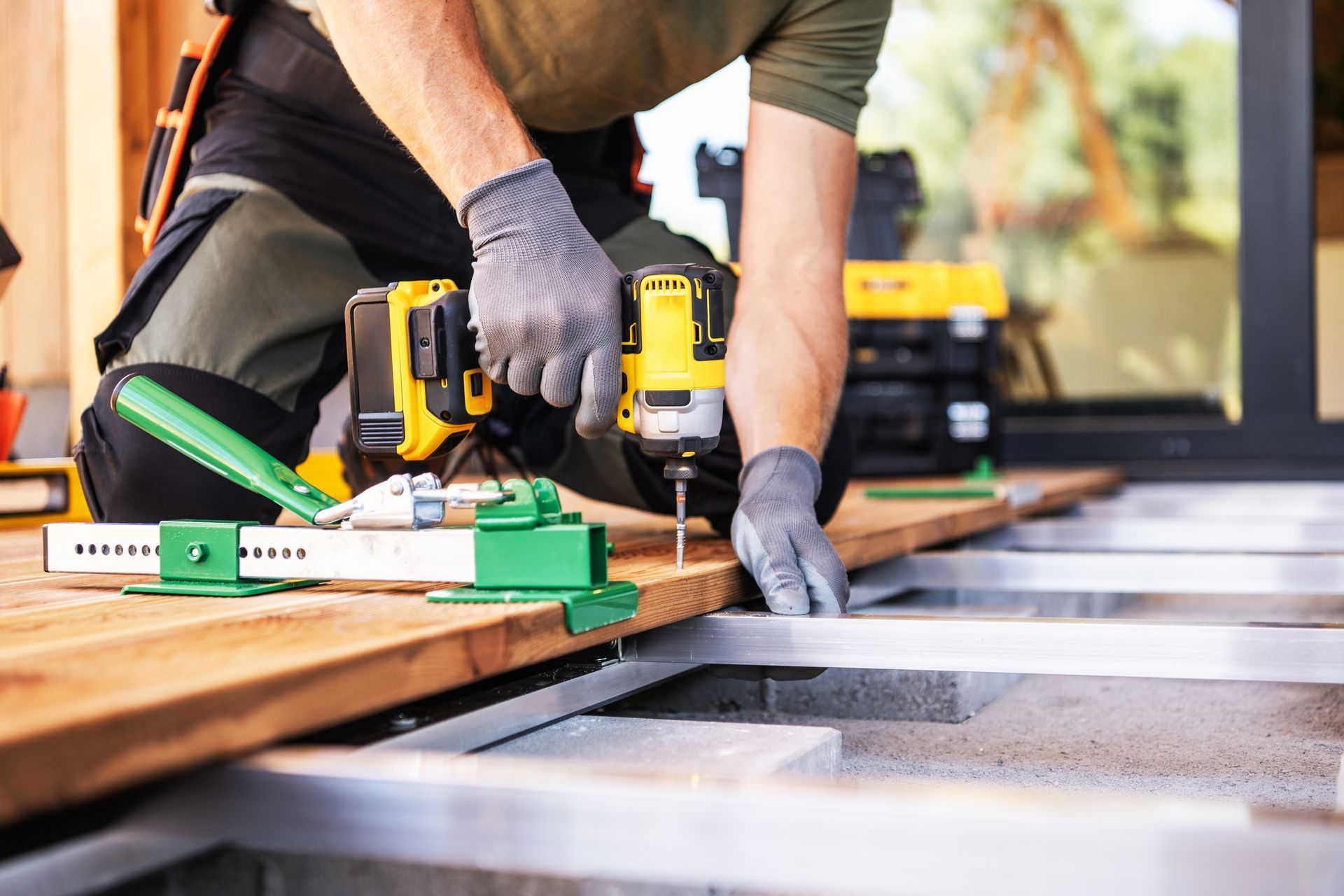
What Proper Carpentry Work Accomplishes
Structural carpentry addresses load-bearing concerns by installing correctly sized framing members at appropriate spacing with fasteners that meet code requirements for shear and tension loads. The carpenter measures existing framing to determine if sagging or movement indicates undersized joists or inadequate support, then adds sister joists alongside weakened members or installs supplemental beams to redistribute weight. Finish carpentry focuses on precise cuts and tight joints that eliminate visible gaps where trim meets walls or where molding wraps corners.
After repairs finish, you notice doors operate smoothly without binding in crooked frames, floors no longer flex or squeak where joists were reinforced, and trim appears tight against walls without seasonal gaps that open when humidity drops during winter heating. Exterior wood features resist moisture penetration where rot previously spread through untreated end grain or poorly sealed joints. Custom built-ins provide storage and display space fitted precisely to room dimensions.
Interior trim installation transforms unfinished spaces by wrapping door and window openings with casing that covers rough framing edges, installing baseboards that hide flooring gaps, and adding crown molding where walls meet ceilings. The work improves finished appearance and protects drywall edges from impact damage in high-traffic areas.
What Property Owners Usually Ask
Residents typically want clarity on when repairs are necessary versus cosmetic, what materials suit different applications, and how carpentry work integrates with other renovation projects.
What indicates a structural carpentry problem rather than cosmetic damage?
Sagging floors, cracked walls near door openings, doors that no longer close properly, or visible gaps where framing has shifted suggest structural issues requiring load-bearing repairs. Cosmetic problems like chipped trim or peeling paint affect appearance but not building integrity.
How does exterior wood hold up in Wisconsin weather?
Properly sealed exterior wood resists moisture when cut ends are treated and all surfaces receive primer and paint that shed water. Wood in ground contact or areas with poor drainage rots quickly without pressure treatment or moisture barriers. Regular paint maintenance extends exterior wood life by preventing water absorption through cracked or peeling finishes.
When should I replace trim versus repairing existing woodwork?
Replacement makes sense when trim shows rot, severe impact damage, or termite tunneling that compromises structural integrity. Surface damage like small dents or scratches can be filled and refinished. Original trim in older Jefferson homes may be worth preserving when profiles are no longer manufactured and historical character matters.
What carpentry work is needed before drywall installation?
Framing must be plumb, square, and structurally sound with backing installed at inside corners and where fixtures will mount. Door and window openings need proper headers to carry loads above, and electrical and plumbing rough-ins must be complete before drywall covers wall cavities.
How do you match existing wood species and stain colors?
Matching involves identifying wood species by grain pattern and color, then sourcing similar material and applying stain samples to find closest color matches. Perfect matches are difficult when original wood has aged or when species are no longer readily available, but close approximations blend well in most applications.
KC & Sons Construction handles both structural and finish carpentry projects with attention to proper material selection and installation techniques. Request an on-site assessment to review your specific carpentry needs and discuss repair or improvement options.