
Fascia & Soffit Repair and Installation in Jefferson for homes
With rotted trim boards, inadequate attic ventilation, and pest entry points where roof edges have deteriorated
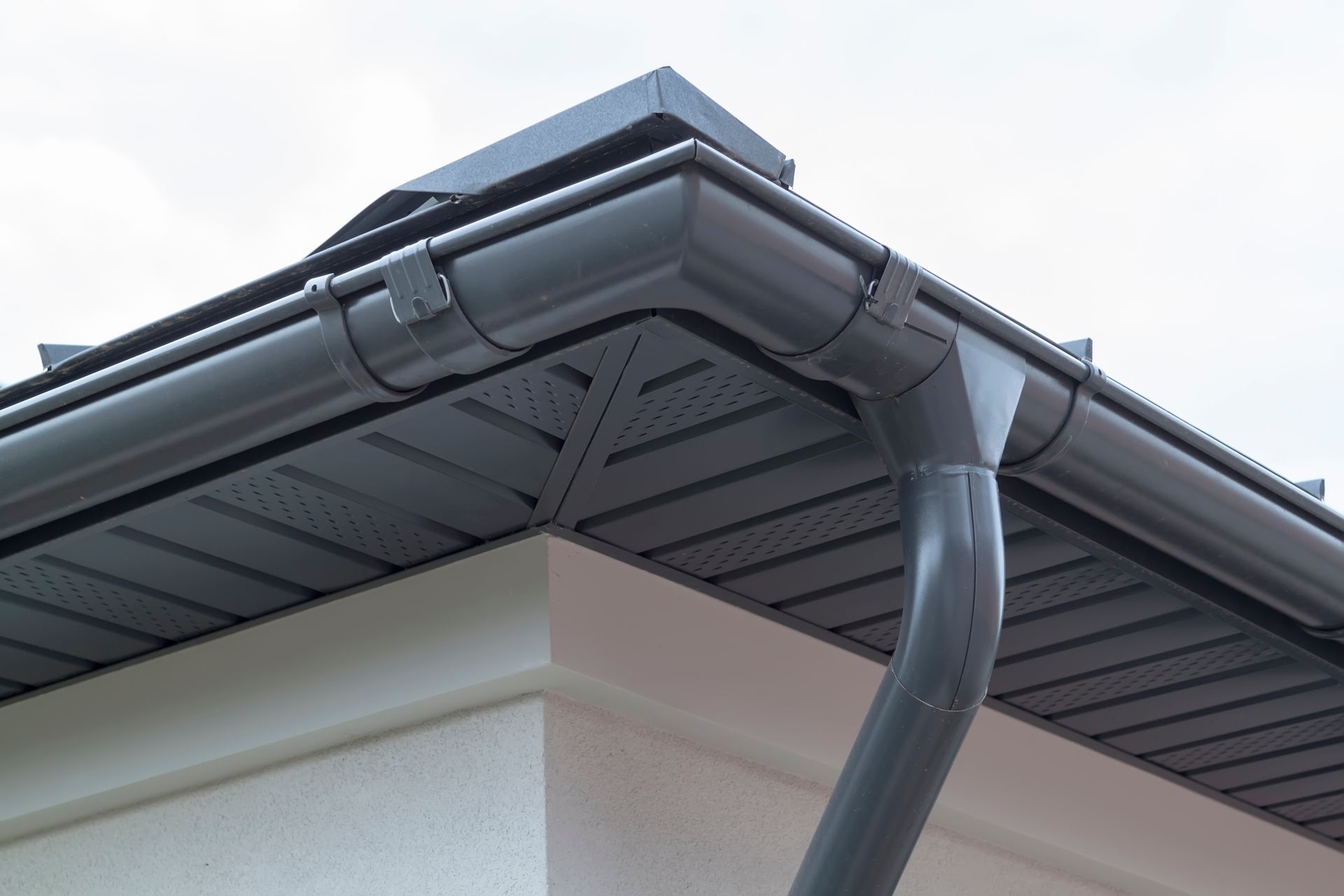
Fascia boards support gutter systems and finish the roof edge where rafters terminate, while soffits close the space underneath and provide ventilation openings that allow air to enter attic spaces. When these components rot from prolonged moisture exposure or split from repeated freeze-thaw cycles, gutters sag, ventilation fails, and gaps open where wasps, bats, and squirrels enter attic cavities. KC & Sons Construction handles fascia board replacement and soffit repair throughout Jefferson and Southeastern Wisconsin, addressing both visible damage and the ventilation failures that cause premature shingle aging and ice dam formation during winter months.
Wood rot develops where gutter overflow saturates fascia boards or where missing drip edge allows water to wick into end grain, softening the material until fasteners no longer hold and paint peels from moisture pushing outward. The repair process removes damaged sections back to solid wood, with new boards primed on all sides before installation to resist moisture intrusion. Ventilated soffit panels maintain the one-to-three-hundred ratio of intake to attic square footage required for proper air exchange, preventing heat and humidity buildup that degrades insulation and shortens roof system life.
Request an inspection to identify rot damage and evaluate whether current soffit ventilation meets your attic's airflow requirements.
Why Fascia and Soffit Condition Matters
Fascia replacement ensures solid backing for gutter hangers, preventing the sag and overflow that occurs when fasteners pull out of rotted wood. New boards get installed with drip edge tucked underneath shingles and extending over the fascia face, directing water into gutters rather than allowing it to run down and soak the wood. Soffit panels close the rafter bay while maintaining ventilation openings—either continuous perforated panels or individual vents spaced according to attic size—that work with ridge or gable vents to create airflow that removes heat and moisture.
After fascia and soffit work is complete, gutters stay level and drain properly, attic temperatures drop during summer because ventilation actually moves air instead of being blocked by solid panels, and pest intrusion stops where gaps previously allowed access. You'll notice that ice dams diminish or disappear because attic heat no longer escapes through the roof deck and melts snow unevenly, and insulation remains dry and effective because moisture vapor exits through ventilation rather than condensing on rafters.
Material options include aluminum and vinyl that won't rot but may dent or crack from impact, and primed wood that accepts paint and handles fastener loads better but requires maintenance to prevent moisture damage. The extent of replacement depends on how far rot has spread—isolated soft spots may need only partial board replacement, while widespread deterioration requires full perimeter work to restore structural integrity and appearance.
Frequently Asked Questions About Fascia and Soffit
Homeowners dealing with trim damage often need clarity on ventilation requirements and how repair decisions get made.
What causes fascia boards to rot even when gutters appear to function correctly?
Missing or improperly installed drip edge allows water to run behind gutters and soak the fascia face, while gutter overflow from undersized systems or clogged downspouts saturates wood faster than it can dry between rain events.
How much soffit ventilation does an attic actually need?
Building codes typically require one square foot of net free ventilation area for every three hundred square feet of attic space, split between low intake vents at soffits and high exhaust vents at ridges or gables to create continuous airflow.
When should fascia replacement happen during other roofing projects in Jefferson?
Fascia work makes sense before gutter installation or replacement so hangers fasten into solid material, and it often coordinates with roofing projects when drip edge installation requires accessing the fascia-to-shingle junction.
What signs indicate that soffits are blocking ventilation rather than providing it?
Attic temperatures that exceed outdoor temps by more than twenty degrees during summer, frost accumulation on rafters during winter, or compressed insulation near eaves where moisture has condensed and caused deterioration all suggest inadequate ventilation.
How do you prevent pest entry while maintaining necessary airflow through soffit vents?
Ventilated soffit panels include screening behind perforation patterns that blocks insects and small animals while allowing air passage, with panel edges fitting tightly into J-channel and fascia joints to eliminate gaps.
KC & Sons Construction assesses fascia and soffit condition during roof and gutter estimates, identifying damage that needs attention before other exterior work proceeds. Contact us to schedule an evaluation of your roof edge components and discuss repair options that restore both function and appearance.