
Spaces Reconfigured for Current Needs
Interior Renovation & Remodeling Services in Jefferson for homes with outdated layouts preventing functional kitchen workflow or inadequate bathroom storage
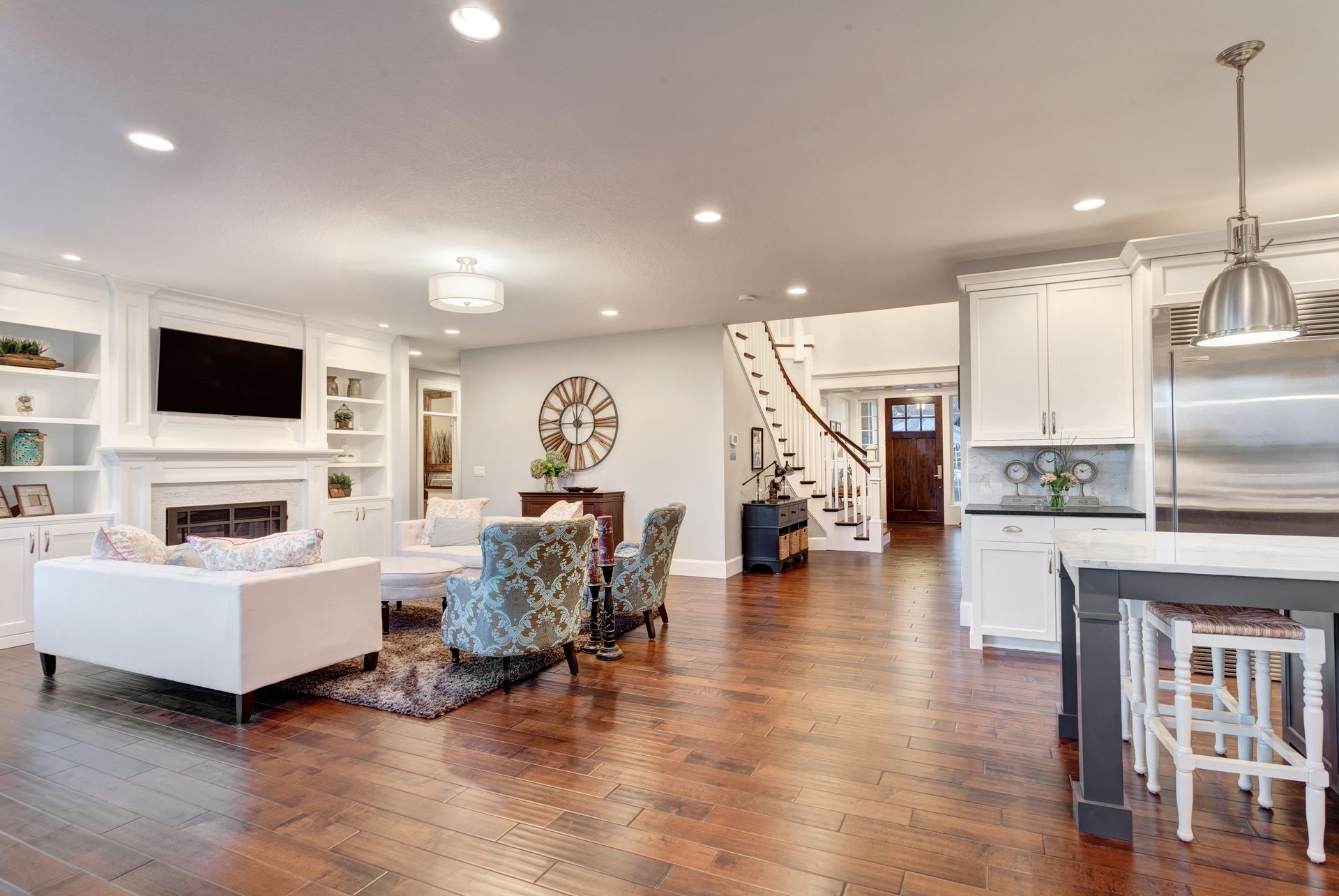
Older homes often feature closed-off kitchens isolated from living areas, bathrooms with minimal counter space, and unfinished basements storing unused potential rather than providing livable square footage. Interior renovation reconfigures these spaces by removing non-load-bearing walls, relocating plumbing and electrical services, installing new flooring and finishes, then adding cabinetry and fixtures that meet current household needs. Homeowners in Jefferson hire KC & Sons Construction when cramped galley kitchens limit multiple cooks from working simultaneously, when single bathrooms create morning conflicts in multi-person households, or when raw basement concrete and exposed joists waste space that could function as entertainment areas or home offices. The work transforms underperforming rooms into layouts that improve daily living patterns without the cost and disruption of moving to different properties.
Remodeling projects begin with evaluating which walls carry structural loads and cannot be removed without adding beams, determining if existing plumbing locations allow fixture relocation within reasonable costs, and identifying electrical capacity for added lighting and appliances. The contractor removes old finishes, installs new drywall and framing where layouts change, runs updated mechanical systems, then applies flooring and paint before final fixture and cabinet installation.
Arrange an on-site consultation to discuss your space planning goals and review structural possibilities for your home.
What You Notice Once Renovation Finishes
Kitchen remodeling often involves removing walls between cooking and dining spaces to create sight lines for supervising children or conversing with guests while preparing meals. The work relocates sinks and ranges when new layouts improve workflow between refrigerator, prep areas, and cooking surfaces—a functional triangle that reduces steps during meal preparation. Bathroom renovations add vanity counter space for toiletries, install larger showers or soaking tubs, and improve lighting around mirrors where grooming tasks occur. Basement finishing converts raw concrete and exposed utilities into climate-controlled living space with smooth walls, comfortable flooring, and adequate lighting.
After completing renovation work, kitchens accommodate multiple people working simultaneously without congestion, with cabinet and counter space organized for cooking equipment, food storage, and cleanup activities. Bathrooms provide storage for linens and personal items that previously cluttered counters, and improved ventilation reduces moisture that causes mildew on walls and ceilings. Finished basements offer recreation space, home offices, or guest bedrooms separated from main-floor activity, with proper insulation and heating that maintain comfort during Wisconsin winters.
Full-home renovations coordinate multiple room improvements in a single project, reducing overall disruption compared to phased remodeling. The approach makes sense when several spaces need updates, when design elements should flow consistently throughout the home, or when opening walls in one area affects adjacent rooms requiring simultaneous attention.
Questions Before Starting Your Project
Homeowners planning renovation work typically ask about living arrangements during construction, budget considerations, and how extensively existing spaces can change.
What happens to kitchen and bathroom use during remodeling?
Kitchens become unusable once plumbing and appliances are disconnected, requiring temporary setups in other areas for meal preparation. Bathroom renovations force use of alternate facilities in the home when only one bathroom exists. Contractors coordinate work to minimize downtime and restore basic function as quickly as practical.
How do you determine if a wall can be removed?
Load-bearing walls carry roof or floor weight and require beams to redistribute loads when removed. The contractor evaluates wall orientation relative to floor joists, checks if walls align between floors, and looks for structural clues like doubled framing members indicating load paths. Non-load-bearing partition walls can be removed without structural support.
What flooring works best in basement renovations in Jefferson?
Basement floors need moisture-resistant materials since concrete slabs can transmit ground moisture even with vapor barriers. Engineered wood, luxury vinyl, and tile perform well in below-grade applications, while solid hardwood risks warping from humidity. Subfloor systems that allow air circulation beneath finished flooring help manage moisture in Wisconsin basements.
How long do kitchen and bathroom remodels typically take?
Kitchen renovations often require three to six weeks depending on layout complexity and material availability. Bathroom remodels take two to four weeks for standard updates, longer when relocating plumbing or expanding room size. Delays occur when hidden conditions like rotted framing or outdated wiring require unexpected repairs.
What factors most affect renovation costs?
Material selections for cabinets, countertops, flooring, and fixtures create wide cost ranges, as do decisions to relocate plumbing and electrical versus working with existing locations. Structural changes like removing walls or adding beams increase budgets compared to cosmetic updates. Unforeseen conditions behind walls add costs when discovered during demolition.
KC & Sons Construction provides detailed project plans and material selections before starting work, with transparent communication about timeline and budget expectations. Contact the office to schedule a planning consultation and review renovation options for your specific spaces.